

Vitamin D is often called the “sunshine vitamin,” yet in reality it is much more than a nutrient. It is a hormone-like substance that affects hundreds of processes in the human body. Imagine the early morning sun slowly lighting a quiet city and awakening life in every street — in a similar way, vitamin D quietly activates countless systems inside us.
It supports immunity, strengthens bones, influences mood, and helps the body cope with stress and fatigue. In the modern world, vitamin D deficiency has become a global challenge because people spend more time indoors and receive less natural sunlight.
“Vitamin D is not just a supplement — it is a foundation of health that begins with light.”
Creating a routine that includes daily daylight exposure can dramatically change well-being. Opening curtains immediately after waking up, scheduling short walks, and working near windows can gradually restore a healthier rhythm of life. Even small changes in daily habits can lead to noticeable improvements in energy and resilience.
What vitamin D is
Vitamin D is a group of fat-soluble compounds, with D2 and D3 being the most important. The most valuable form for humans is D3, which the skin produces under ultraviolet light.
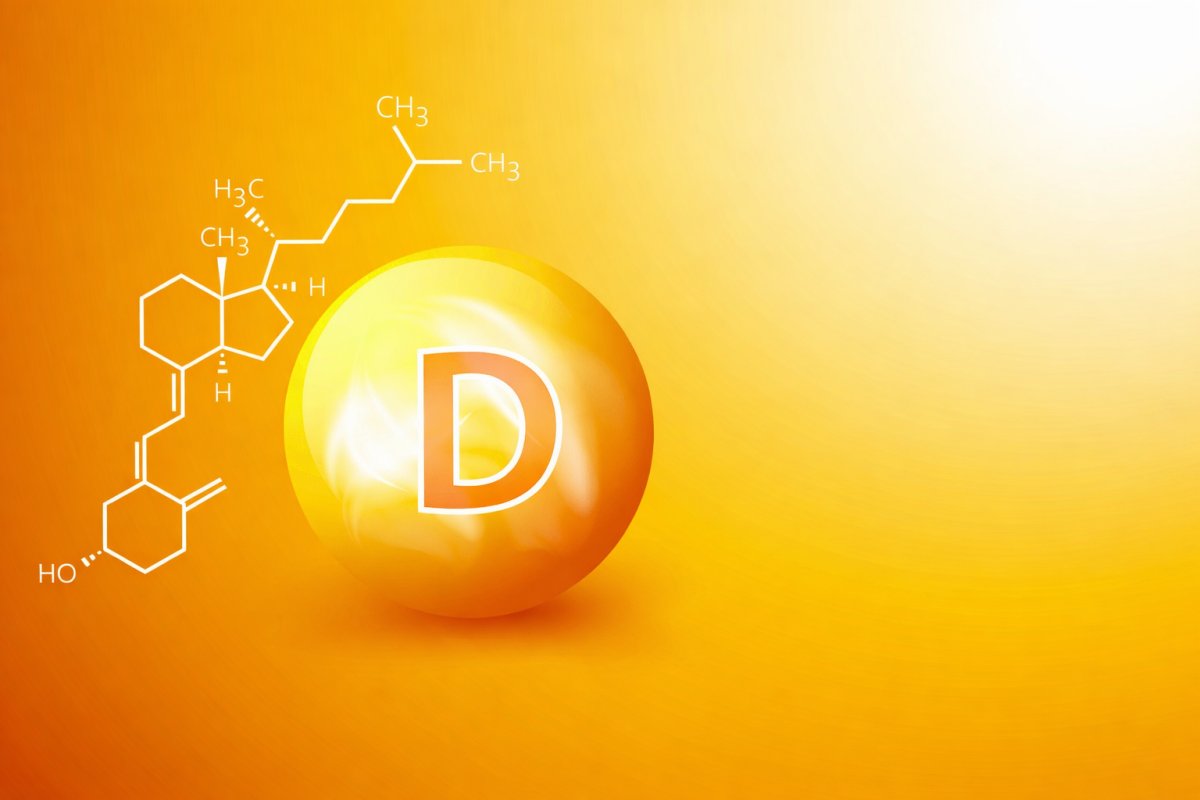
Its uniqueness lies in the fact that the body can synthesize it independently. Therefore, lifestyle, climate, and daily habits play a decisive role in maintaining healthy levels.
Main forms of vitamin D
• Vitamin D2 ergocalciferol from plant sources
• Vitamin D3 cholecalciferol from animal products and sunlight
• Active form calcitriol that acts like a hormone
After entering the body, vitamin D travels through the liver and kidneys where it becomes active. Supporting liver and kidney health indirectly supports vitamin D effectiveness. Balanced nutrition, hydration, and regular physical activity help maintain these organs and improve the transformation process.
Benefits of vitamin D for the body
Vitamin D affects almost every system in the body. Its role is no longer limited to bone health as once believed.
Bone and dental support
1 Helps calcium absorption
2 Prevents osteoporosis
3 Strengthens tooth enamel
4 Supports joint health
Bone tissue constantly renews itself. Without enough vitamin D, this process becomes slow and fragile. Weight-bearing exercise such as walking, light jogging, or strength training enhances bone mineralization and works synergistically with vitamin D.
Immunity and body protection
The immune system uses vitamin D as a signal to activate defense cells. It helps the body respond faster to infections and inflammation.
Key immune benefits
• Reduced risk of viral infections
• Support of white blood cells
• Regulation of inflammatory processes
• Protection of mucous membranes
“When vitamin D levels are sufficient, immunity performs like a well-tuned orchestra.”
Quality sleep, fresh air, and seasonal nutrition strengthen immune responses alongside vitamin D. Building daily habits around rest and recovery allows the immune system to operate more efficiently.
Mood and energy influence
Many people feel low during winter months. One reason is reduced sunlight and vitamin D production. It plays a role in serotonin synthesis, the hormone linked to happiness and emotional stability.

Regular outdoor time during daylight, especially in the morning, can help regulate circadian rhythms. Combining sunlight exposure with movement and mindful breaks during the day supports mental clarity and sustained energy.
Symptoms of vitamin D deficiency
Deficiency develops slowly and often goes unnoticed for years. Its signs are subtle and easy to confuse with stress or overwork.
Main deficiency signs
1 Chronic fatigue
2 Frequent colds
3 Muscle pain
4 Mood decline
5 Brittle nails and hair
Tracking energy levels, sleep quality, and frequency of illness can help identify potential deficiency earlier. Preventive testing once or twice a year allows timely correction and avoids long-term consequences.
Who is at risk
• Indoor workers
• Residents of northern regions
• Older adults
• People with darker skin
• Individuals constantly using sunscreen
“Vitamin D deficiency is a shadow that appears where sunlight is scarce.”
Planning vacations in sunny locations, increasing outdoor hobbies, and adjusting daily routines to include daylight exposure can significantly reduce risk over time.
Sources of vitamin D
Sunlight remains the primary natural source, but modern lifestyles limit outdoor exposure.

Sunlight
15–30 minutes of sun exposure daily is often enough for synthesis. Morning and midday hours are most effective.
Factors influencing synthesis
• Season
• Geographic latitude
• Skin color
• Age
• Air pollution
Short daily walks, outdoor coffee breaks, or exercising outside can gradually increase sun exposure without disrupting routine.
Foods rich in vitamin D
1 Fatty fish such as salmon mackerel herring
2 Egg yolks
3 Cod liver
4 Butter
5 Fortified dairy products
Combining these foods with healthy fats improves absorption. Rotating different sources throughout the week supports nutritional diversity and long-term balance.
Daily vitamin D requirements
Needs vary depending on age, health, and lifestyle.
Recommended intake
• Children 400–600 IU
• Adults 800–2000 IU
• People over 60 years 1000–4000 IU
• Pregnant women 1000–2000 IU
Testing vitamin D levels before supplementation helps personalize dosage. Consistency in intake is more important than occasional high doses.
How to take vitamin D correctly
Vitamin D is fat-soluble, so it is best taken with meals containing fats to improve absorption.
Key intake rules
• Take with meals
• Monitor blood levels
• Avoid excessive doses
• Combine with magnesium and vitamin K2
Maintaining a regular supplementation schedule and pairing intake with breakfast or lunch helps create a stable habit and improves effectiveness.
Vitamin D and modern lifestyle
Cities, offices, and digital devices reduce sunlight exposure. People spend most of their time indoors, gradually losing connection with natural light.
Regular walks, outdoor recreation, balanced nutrition, and mindful daily routines help restore this balance. Caring about vitamin D levels is an investment in longevity, resilience, and vitality.
Vitamin D is a quiet ally that works every day, supporting the body even when we do not notice it.