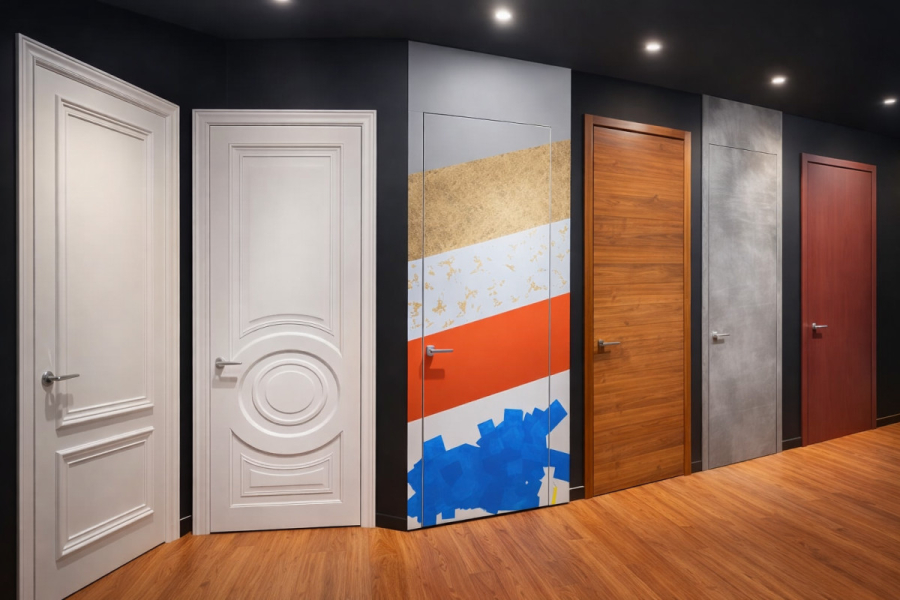
Interior doors are more than just functional partitions—they shape the atmosphere of a home, influence perception of space, and subtly reflect personal style. Choosing the right color solution can transform an ordinary interior into something memorable and harmonious. If you are exploring modern options, take a look at https://indigodoors.com/ for inspiration and high-quality designs that align with current trends and timeless aesthetics. Thoughtful color selection also helps unify different rooms, especially in open-plan layouts where visual continuity is essential.
Why door color matters in interior design
The color of interior doors affects visual balance, lighting perception, and even emotional comfort within a space. A carefully selected shade can either blend seamlessly with the walls or become a bold accent that defines the room. When choosing a color, it is important to consider not only the current design but also how it may evolve over time. Neutral tones provide flexibility, while expressive shades require more deliberate coordination with furniture and decor.
A well-chosen door color does not simply match a room—it enhances its story and deepens its character.
In contemporary interiors, doors are no longer overlooked. Designers increasingly treat them as key decorative elements that connect different areas into a cohesive whole. Pay attention to the finish as well—matte surfaces hide fingerprints and imperfections better, while glossy finishes reflect light and can make spaces feel more dynamic. Lighting temperature also plays a crucial role, as warm and cool light can significantly alter how a color appears throughout the day.
Classic neutral door colors
Neutral shades remain the most popular choice due to their versatility and timeless appeal. They are especially useful in homes where multiple styles coexist, as they create a visual bridge between different rooms. Another important factor is resale value—neutral doors tend to appeal to a broader audience and make interiors look more polished and universally attractive.
White doors in modern interiors
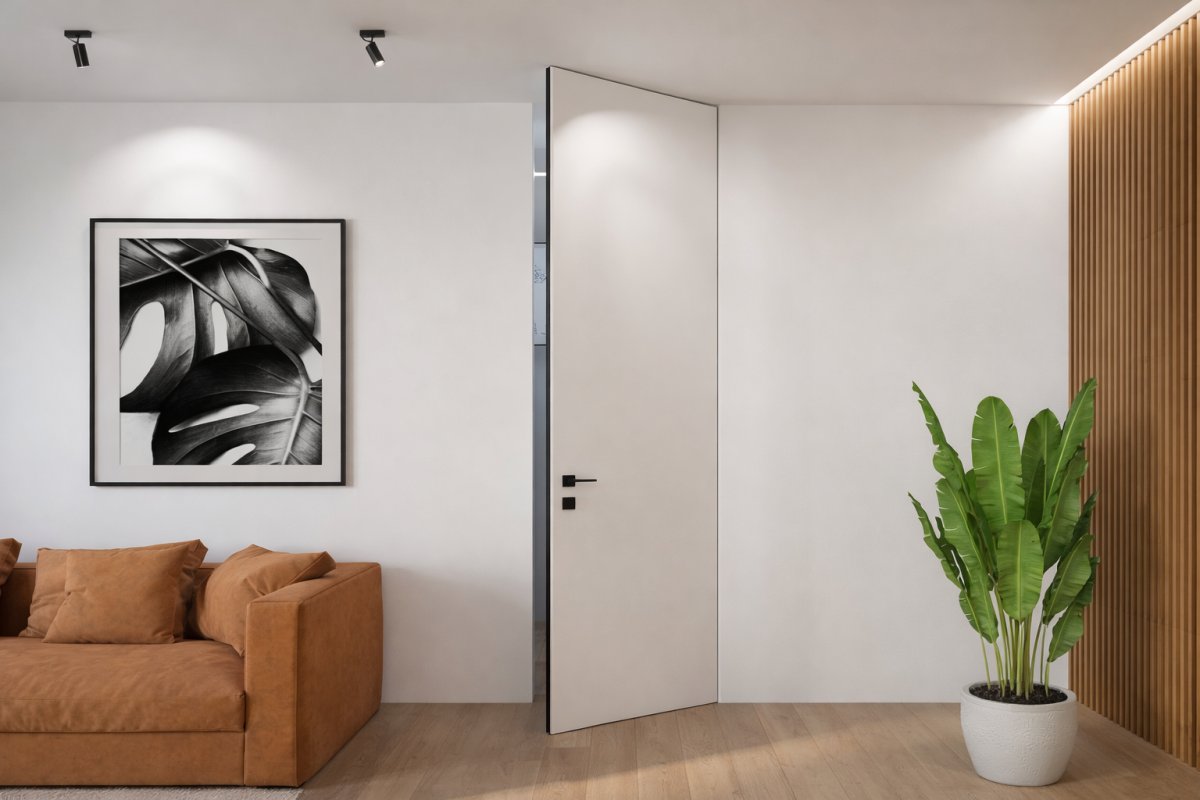
White doors symbolize cleanliness, openness, and simplicity. They work particularly well in Scandinavian, minimalist, and modern spaces. Their ability to reflect light makes them indispensable in smaller apartments or rooms with limited natural illumination.
-
visually expand small rooms
-
reflect natural and artificial light
-
easily combine with any wall color
-
create a sense of order and clarity
To maintain their pristine look, choose finishes that resist yellowing and are easy to clean. Pairing white doors with slightly contrasting trims or hardware can prevent the design from feeling too sterile. Subtle variations like off-white or ivory can add warmth without losing the benefits of a light palette.
Gray tones for subtle elegance
Gray doors offer a refined alternative to white. They add depth without overwhelming the interior. Depending on the undertone, gray can feel warm and cozy or cool and modern, making it one of the most adaptable choices.
-
light gray suits contemporary minimalism
-
medium gray balances warm and cool palettes
-
dark gray creates a sophisticated contrast
-
textured gray enhances tactile interest
When incorporating gray doors, consider the color of flooring and furniture. Warm wood floors pair better with gray shades that have beige or taupe undertones, while cooler interiors benefit from bluish grays. Adding metallic handles or matte black hardware can further elevate the overall look.
Natural wood shades
Wooden textures bring warmth and authenticity into living spaces. They are often chosen for their ability to create a cozy and inviting atmosphere. Natural shades also age gracefully, developing character over time and maintaining their appeal even as design trends change.
Light wood for airy spaces
Light oak, ash, or pine tones help maintain a natural and relaxed ambiance. These shades are especially effective in interiors that emphasize simplicity and connection with nature.
-
ideal for Scandinavian and eco-style interiors
-
pair well with white and pastel walls
-
enhance natural lighting
-
create a calm, organic feel
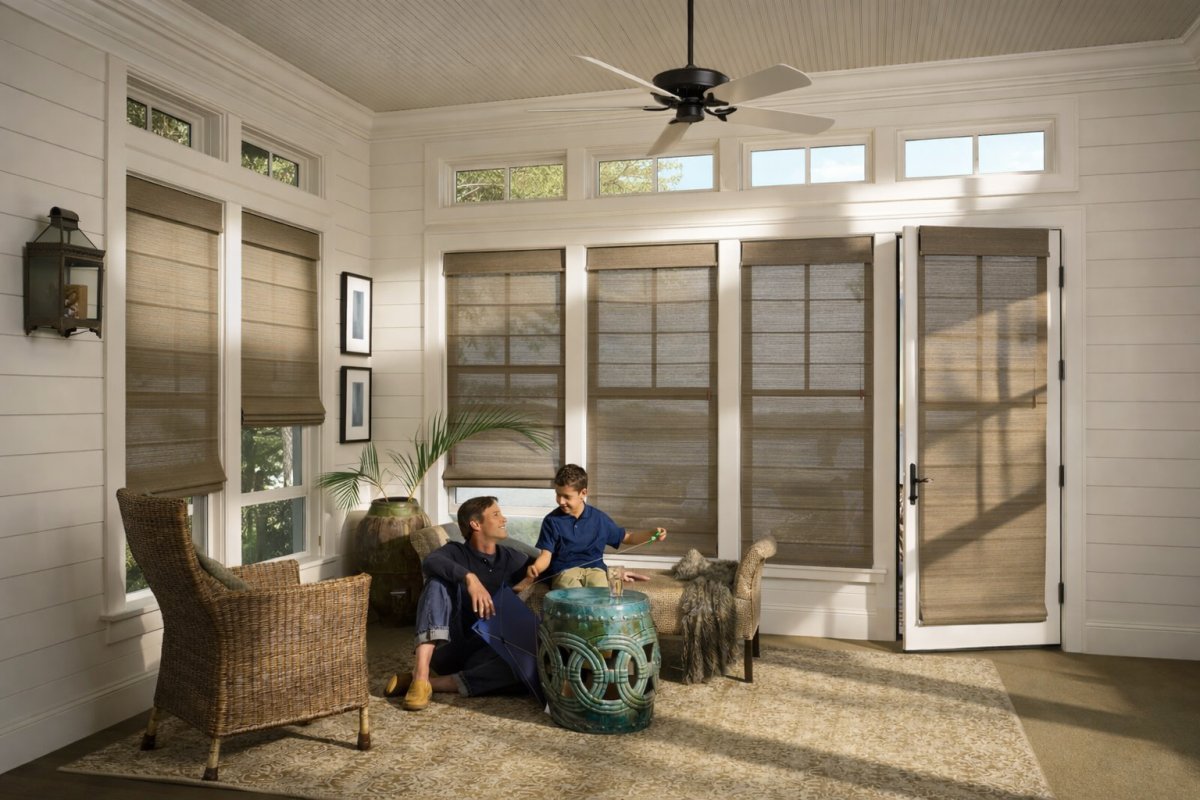
To enhance the effect, combine light wood doors with soft textiles and natural materials like linen or stone. Avoid overly glossy finishes, as they can diminish the authenticity of the wood texture. Keeping the grain visible adds depth and visual interest without overwhelming the space.
Dark wood for a luxurious feel
Dark walnut or mahogany doors convey richness and depth. They are commonly used in classic and elegant interiors, where they add a sense of tradition and refinement.
Dark tones introduce a sense of stability and sophistication, grounding even the most dynamic spaces.
However, they require sufficient lighting to avoid making the room feel smaller. Incorporating mirrors, light-colored walls, or strategic lighting can balance the heaviness of dark wood. Choosing sleek, modern hardware can also prevent the design from feeling outdated and keep it aligned with contemporary aesthetics.
Bold and contrasting door colors
For those seeking originality, bold door colors can become a striking focal point. Such choices are particularly effective in interiors that aim to express individuality and creativity. When used thoughtfully, they can redefine the entire perception of a space.
Black doors as a statement element
Black interior doors are increasingly popular in modern design. They provide a strong visual anchor and can dramatically enhance architectural features.
-
create dramatic contrast with light walls
-
emphasize architectural lines
-
add a sense of luxury and precision
-
work well with metal and glass elements
To soften the intensity of black, incorporate complementary textures such as wood or textiles. Matte black finishes tend to look more sophisticated and are less prone to showing fingerprints. Consistency is key—repeat black elements in lighting fixtures or furniture to create a cohesive design language.
Bright colors for creative interiors
Vivid shades such as blue, green, or even red can energize a space and reflect individuality. These doors often become conversation pieces and highlight the personality of the homeowner.
-
suitable for eclectic and artistic designs
-
highlight specific zones within a home
-
bring personality into neutral interiors
-
pair well with decorative accents
When using bright colors, balance them with neutral surroundings to avoid visual overload. Testing samples under different lighting conditions can help ensure the chosen shade remains appealing throughout the day. Repeating the same color in small decor elements can create harmony and prevent the door from feeling disconnected.
Matching door colors with walls and floors
Achieving harmony between doors, walls, and flooring is essential for a cohesive interior. The interplay of these elements determines whether a space feels unified or fragmented. Even subtle mismatches can disrupt the overall aesthetic.
Tone-on-tone combinations
Using similar shades for doors and walls creates a seamless and elegant look. This approach is particularly effective in small spaces where visual continuity is important. It can also make ceilings appear higher and rooms feel more expansive.
Choosing slightly different textures or finishes within the same color family can prevent monotony. For example, pairing matte doors with satin walls adds depth without breaking harmony. This technique works especially well in modern and minimalist interiors.
Contrasting solutions
Contrasts help define structure and add visual interest. For example, dark doors against light walls can create a striking yet balanced composition.
Contrast is not about opposition—it is about dialogue between elements that enrich the visual experience.
When selecting combinations, consider lighting conditions and the overall style of the home. Too much contrast in a small space can feel overwhelming, while in larger rooms it can add drama and sophistication. Coordinating door frames and baseboards with either the door or the wall color helps maintain a polished appearance.
Trends in interior door colors
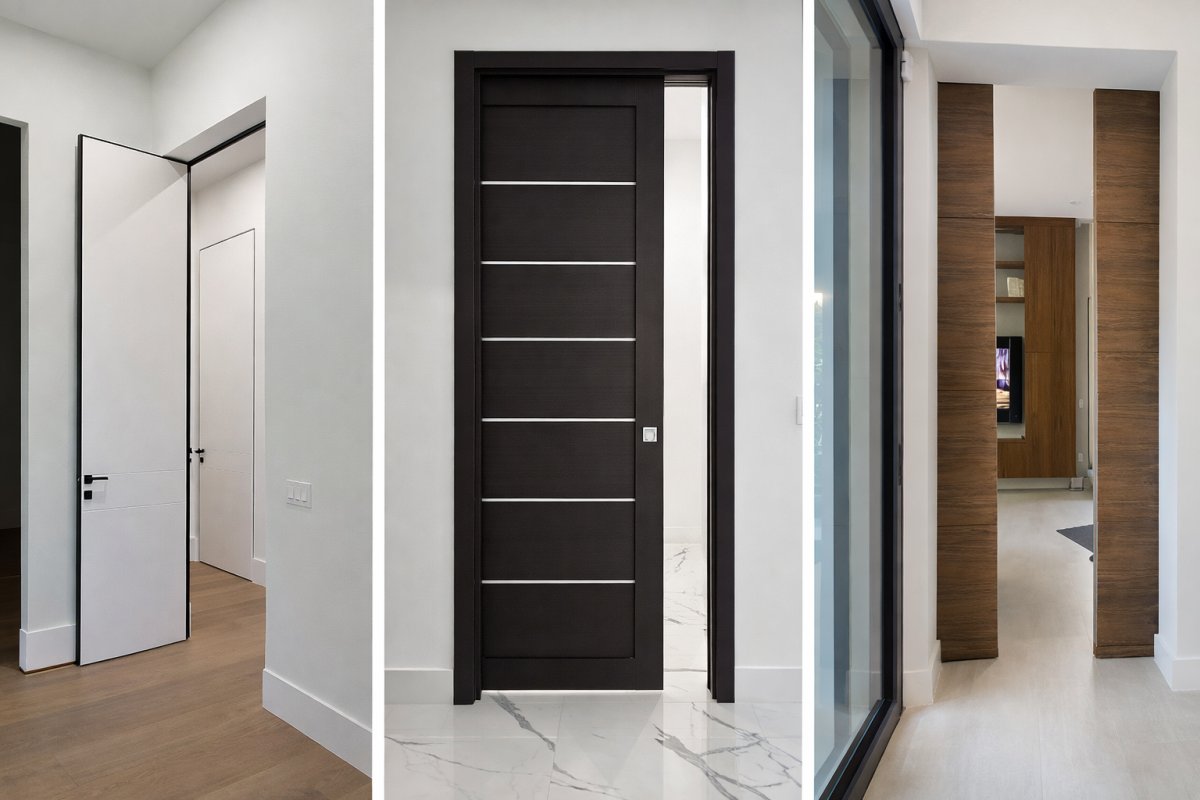
Design trends evolve, but some directions remain consistently popular due to their adaptability and aesthetic appeal. Modern homeowners increasingly seek solutions that combine style with practicality, favoring finishes and colors that are both beautiful and easy to maintain.
-
matte finishes replacing glossy surfaces
-
natural textures gaining popularity
-
muted earthy tones becoming dominant
-
monochrome palettes staying relevant
-
custom color solutions increasing in demand
In addition to these trends, there is a growing interest in sustainable materials and eco-friendly finishes. Soft, nature-inspired tones such as clay, sand, and olive are becoming staples in contemporary interiors. Personalization also plays a major role—custom-painted doors allow homeowners to align their spaces with their unique vision while maintaining harmony with the overall design.